

Both sweatshirts and hoodies have become essentials in modern apparel lines. While they share roots in sportswear, they now cater to very different segments—from minimalist fashion to functional workwear. For brands and buyers, the choice between the two is not just aesthetic—it’s strategic. Understanding fabric behavior, consumer demand, and production logic helps determine when to launch sweatshirts versus hoodies in your product mix.
👕 1. The Core Difference: Structure vs Function
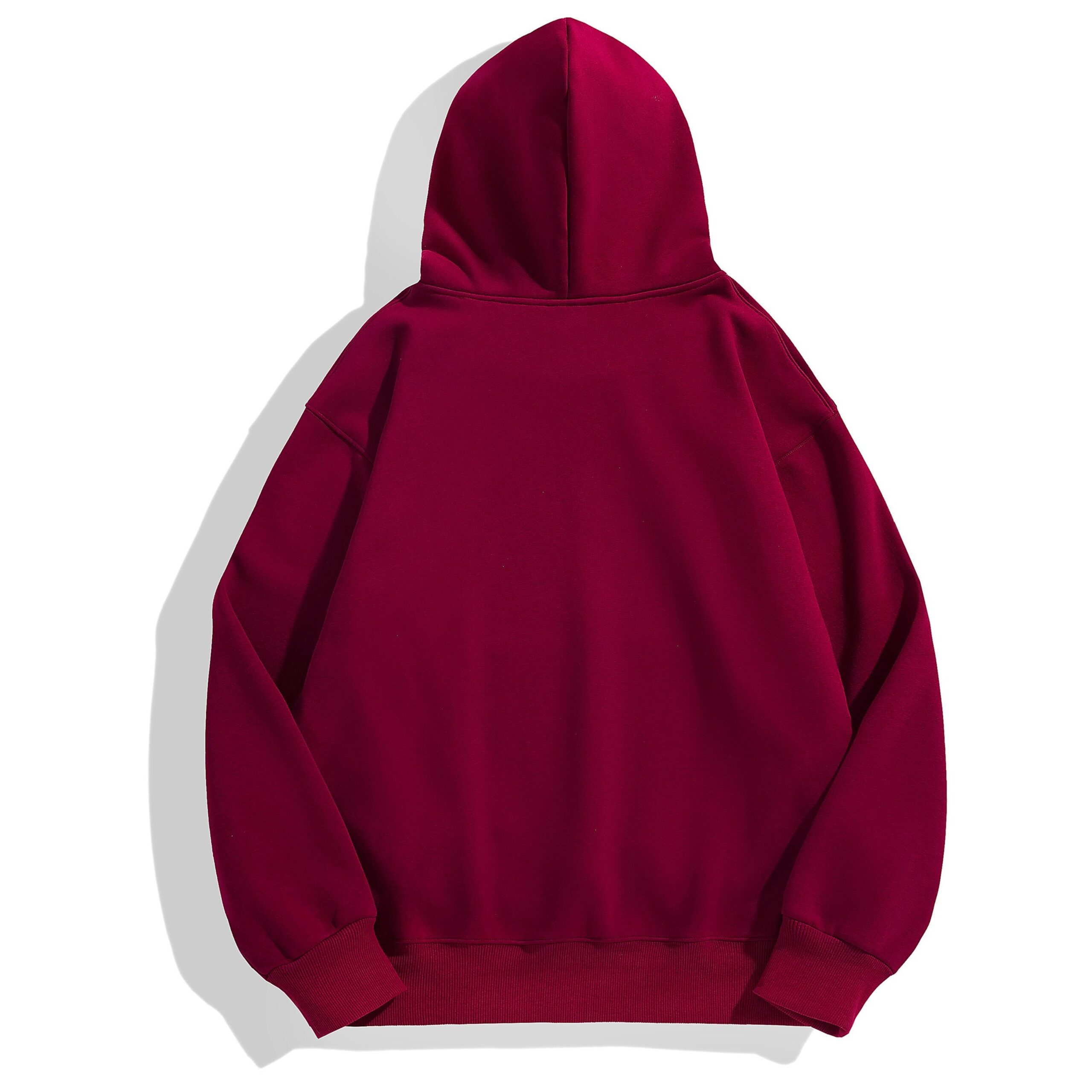
At their core, sweatshirts are pullover tops without hoods, typically featuring a crewneck, ribbed cuffs, and a clean silhouette. Hoodies, on the other hand, incorporate a double-layered hood and sometimes front pockets, providing both warmth and versatility.
| Feature | Sweatshirt | Hoodie |
|---|---|---|
| Design | Crewneck, no hood | Hood with drawcords |
| Weight Range | 280–380 GSM | 320–480 GSM |
| Function | Layering piece | Outerwear substitute |
| Cost | Lower sewing cost | Slightly higher due to hood/pocket |
| Retail Position | Casual, clean aesthetic | Sporty, relaxed look |
Sweatshirts excel in minimalist collections and uniform programs, while hoodies dominate lifestyle and teamwear markets.
🧵 2. Fabric and GSM Considerations
Both garments use fleece or terry knits, but hoodies tend to require higher GSM for structure. Sweatshirts often feature unbrushed French terry, creating a breathable, lighter layer suitable for year-round wear.
Factories typically recommend:
-
Sweatshirt: 280–350 GSM brushed or unbrushed fleece.
-
Hoodie: 350–480 GSM brushed fleece for warmth and body.
Reliable Sweatshirt Suppliers offer both options, allowing brands to maintain material consistency while diversifying silhouettes across collections.
⚙️ 3. Cost and Production Efficiency
Sweatshirts have fewer pattern components, making them cheaper and faster to produce. Eliminating the hood, pocket, and drawcord operations reduces sewing time by up to 25%.
Average production time per piece:
-
Sweatshirt: 10–12 minutes
-
Hoodie: 14–16 minutes
This efficiency makes sweatshirts ideal for bulk orders, corporate uniforms, and promotional merch, where unit cost and turnaround time matter most.
🧶 4. Style Versatility and Branding
Sweatshirts represent clean, print-friendly canvases—perfect for embroidery, puff prints, or screen designs. Their smooth, flat front surface offers brands creative freedom without interruptions from seams or drawcords.
Hoodies, in contrast, cater to lifestyle and youth markets. The hood adds visual volume and comfort, making it a favorite for e-commerce and retail presentation.
Fashion brands often use both in layered styling—pairing oversized hoodies with tailored pants or classic sweatshirts under structured jackets.
🌡️ 5. Warmth and Wear Context
Thermal retention differs slightly due to the hood and fleece density. A midweight hoodie (400 GSM) provides better insulation than a standard sweatshirt, especially outdoors.
Sweatshirts excel as transitional or layering pieces, while hoodies are ideal for standalone outerwear. For colder regions or team training wear, brands often combine both in capsule collections.
🧩 6. Market Segmentation: Who Buys What
| Market Type | Sweatshirt Role | Hoodie Role |
|---|---|---|
| Corporate & Uniform | Formal-casual, easy branding | Casual Fridays / Fieldwear |
| Streetwear | Minimal base layer | Statement outerwear |
| Athleisure | Warm-up top | Core training gear |
| E-commerce Brands | Basic unisex item | Trend-driven hero SKU |
Sweatshirts often outperform hoodies in institutional and retail uniform programs, while hoodies dominate direct-to-consumer and social media-driven fashion markets.
🔄 7. Design Evolution: From Utility to Lifestyle
Sweatshirts were originally created as practical sportswear in the 1920s, later becoming a staple in collegiate fashion. Hoodies emerged later in the 1930s, serving workers and athletes before evolving into urban streetwear icons.
Today, both coexist within cohesive brand ecosystems—offering customers choice between understated sophistication and laid-back comfort.
📦 8. Inventory and Merchandising Strategy
A balanced retail lineup usually includes a 60/40 ratio between hoodies and sweatshirts, ensuring diversity across seasons. Sweatshirts move faster in spring collections, while hoodies dominate fall/winter releases.
Partnering with professional Hoodie Suppliers allows brands to streamline sourcing while maintaining fabric continuity and matching color palettes across both silhouettes. This unified approach simplifies inventory control and visual merchandising across global retail points.
🏁 Final Thoughts
Choosing between sweatshirts and hoodies isn’t about fashion preference—it’s about aligning design, climate, audience, and logistics. Sweatshirts deliver efficiency, clean branding, and timeless versatility, while hoodies offer comfort, warmth, and emotional appeal.
By collaborating with experienced sweatshirt suppliers and hoodie suppliers, brands can strike the perfect balance—building cohesive apparel collections that serve every market segment from teams to trend-driven retail.