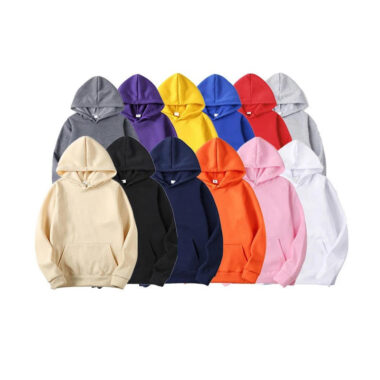


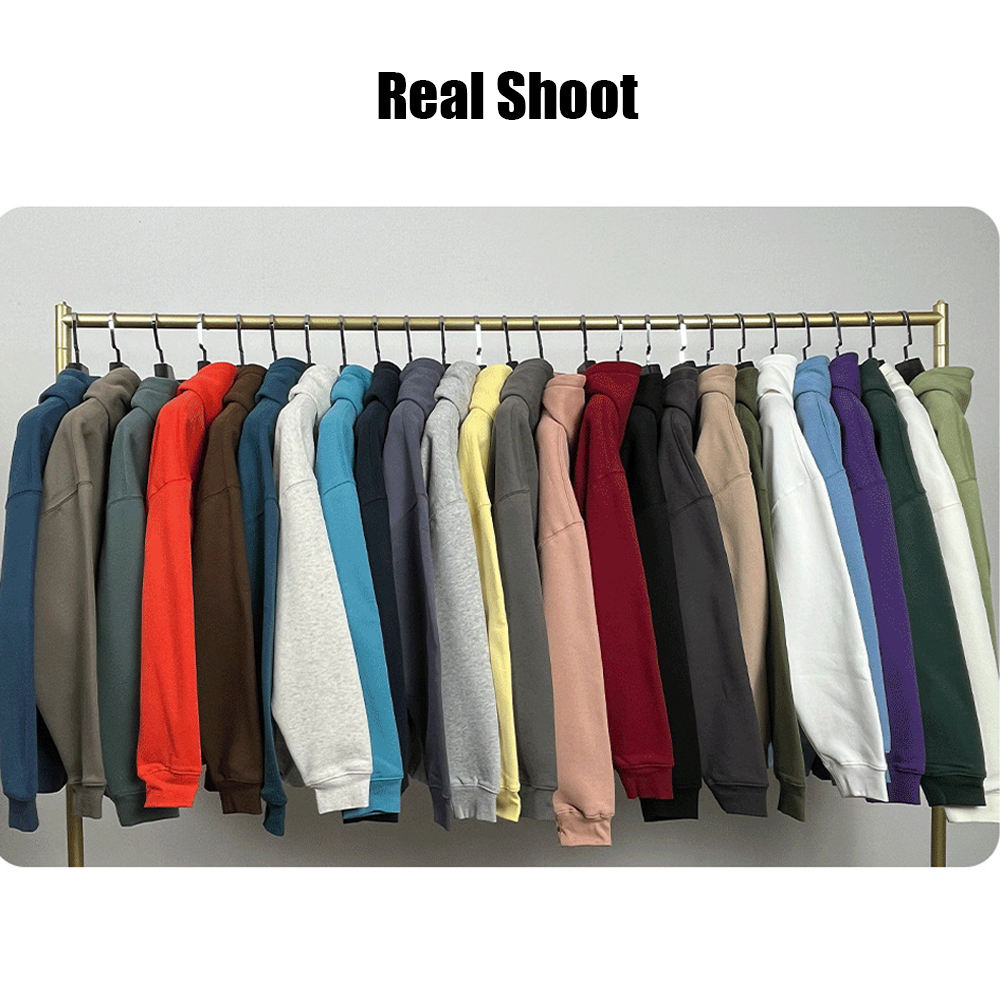
Oversized hoodies have moved from niche streetwear to mainstream retail dominance. What began as an anti-fit aesthetic has become a sophisticated balance of comfort, structure, and visual flow. In 2025, oversized hoodies are evolving beyond casualwear—adopted by luxury brands, athleisure lines, and e-commerce collections alike.
Creating the perfect oversized hoodie requires mastering drop-shoulder geometry, fabric drape, and volume control. These are the engineering foundations professional oversized hoodies suppliers use to deliver silhouettes that look effortless—but are anything but simple.
🧵 1. Drop Shoulder Geometry: Redefining Proportion
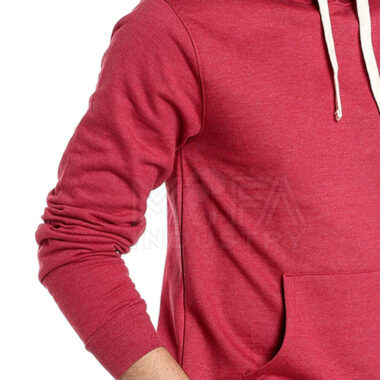
The defining feature of an oversized hoodie is the drop shoulder—a shoulder seam that sits 3–5 cm below the natural shoulder point. This subtle shift creates visual width and a relaxed silhouette.
However, maintaining balance is key. If the shoulder drop is too deep, the hoodie can appear sloppy; too shallow, and it loses its signature oversized look. Pattern engineers fine-tune:
-
Shoulder slope (15–17°): Prevents fabric pooling near the neckline.
-
Armhole depth: Increased to allow relaxed sleeve drape.
-
Sleeve head reduction: Keeps the sleeve naturally folded along the arm.
Expert factories draft base patterns using 3D draping software, simulating fabric fall to predict volume and movement before cutting the first sample.
👕 2. Volume Control: Between Comfort and Structure
Volume is more than size—it’s the spatial proportion between body width, sleeve width, and garment length. Oversized doesn’t mean unstructured; it’s precision looseness.
Factories typically apply the following ratios relative to a standard fit:
-
Chest width: +15–20% for boxy silhouettes.
-
Sleeve width: +10–15% for proportional balance.
-
Body length: Slightly shorter to maintain visual compactness.
Maintaining these ratios keeps oversized hoodies flattering across body types while preserving their roomy appeal.
Reliable Oversized Hoodies Suppliers manage these metrics digitally, ensuring grading scales remain consistent across XS–XXL sizes for e-commerce and retail buyers.
🧶 3. Drape and Fabric Selection
The success of an oversized hoodie often depends on fabric behavior. The heavier the fabric, the more architectural the shape; lighter fabrics flow more fluidly.
Common GSM choices:
-
300–350 GSM: Fluid drape for spring/summer fashion.
-
400–480 GSM: Structured silhouette for high-end streetwear.
-
Brushed fleece or loopback terry: Both enhance dimensional texture.
High-end manufacturers pre-wash and heat-set fabrics to stabilize shrinkage and maintain consistent drape across production runs.
⚙️ 4. Rib Tension and Visual Flow
Rib trims control the hoodie’s proportion visually. For oversized fits, rib tension is reduced by 10–15% to ensure a natural fall at cuffs and hem without pulling.
This adjustment allows the hoodie to hang straight rather than ballooning. The neckline rib is also widened slightly—typically 2.5–3 cm—to complement the looser body profile.
🪡 5. Construction Details that Define Luxury
Even the most relaxed silhouette benefits from precision sewing. Top factories ensure:
-
Twin-needle topstitching: Reinforces seams without stiffness.
-
Wide rib insertion: Creates balance at the sleeve opening.
-
Bias neck tape: Prevents stretching and distortion over time.
Hood panels are often oversized as well, with deeper darts and extended drawcord channels for proportional scale. In some collections, drawcords are removed entirely to emphasize minimalism.
🌿 6. Fabric Finishing and Surface Feel
Premium oversized hoodies are distinguished by their surface treatment. Popular finishes include:
-
Enzyme and silicone wash: Adds a soft, lived-in handfeel.
-
Carbon brushing: Gives micro-texture while keeping the body structured.
-
Pigment-dyed effects: Creates vintage tones with subtle color gradients.
Each process contributes to tactile depth—turning a simple hoodie into a luxury lifestyle piece.
🎨 7. Styling and Market Direction
Oversized hoodies are now essential across multiple market tiers:
| Segment | Style Approach | Key Features |
|---|---|---|
| Streetwear | Boxy, cropped, graphic-heavy | High GSM, thick drawcords |
| Athleisure | Light fleece, technical details | Stretch ribs, moisture-wicking |
| Luxury Fashion | Monochrome minimalism | Washed finishes, wide sleeves |
The trend is global—consumers want comfort that still feels elevated. Retailers are expanding collections to include unisex oversized fits for universal appeal.
📦 8. Production and Quality Assurance
Volume consistency in oversized patterns is harder to maintain at scale. Top-tier factories use automated cutters, 3D pattern digitization, and shoulder point scanners to achieve symmetry.
Before shipment, flat measurements are checked against spec sheets to confirm tolerance (±1 cm) for chest width and length. This precision keeps brand sizing reliable across regions and batches.
For long-term production reliability, working with an established Hoodie Suppliers partner ensures pattern integrity and fabric continuity between seasons—critical for repeat orders and uniform retail displays.
🏁 Final Thoughts
The oversized hoodie embodies the spirit of modern fashion—relaxed yet meticulously engineered. Behind its effortless look lies complex pattern mathematics, controlled drape, and fine-tuned volume ratios.
By collaborating with expert oversized hoodies suppliers, brands can deliver garments that merge freedom with structure—offering customers the comfort they crave and the design precision they expect. Oversized is not about excess—it’s about balance, proportion, and confidence in every fold.