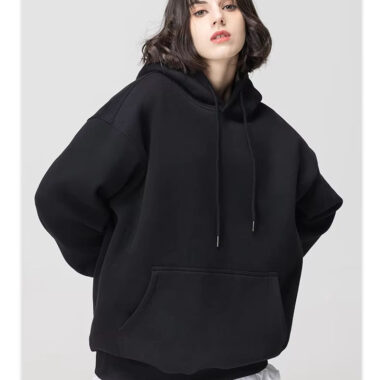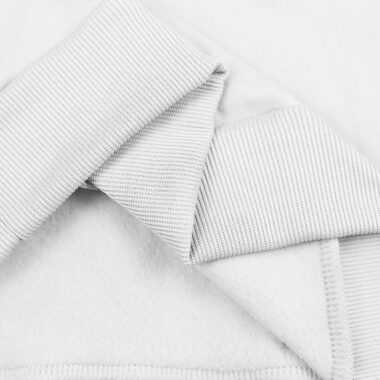


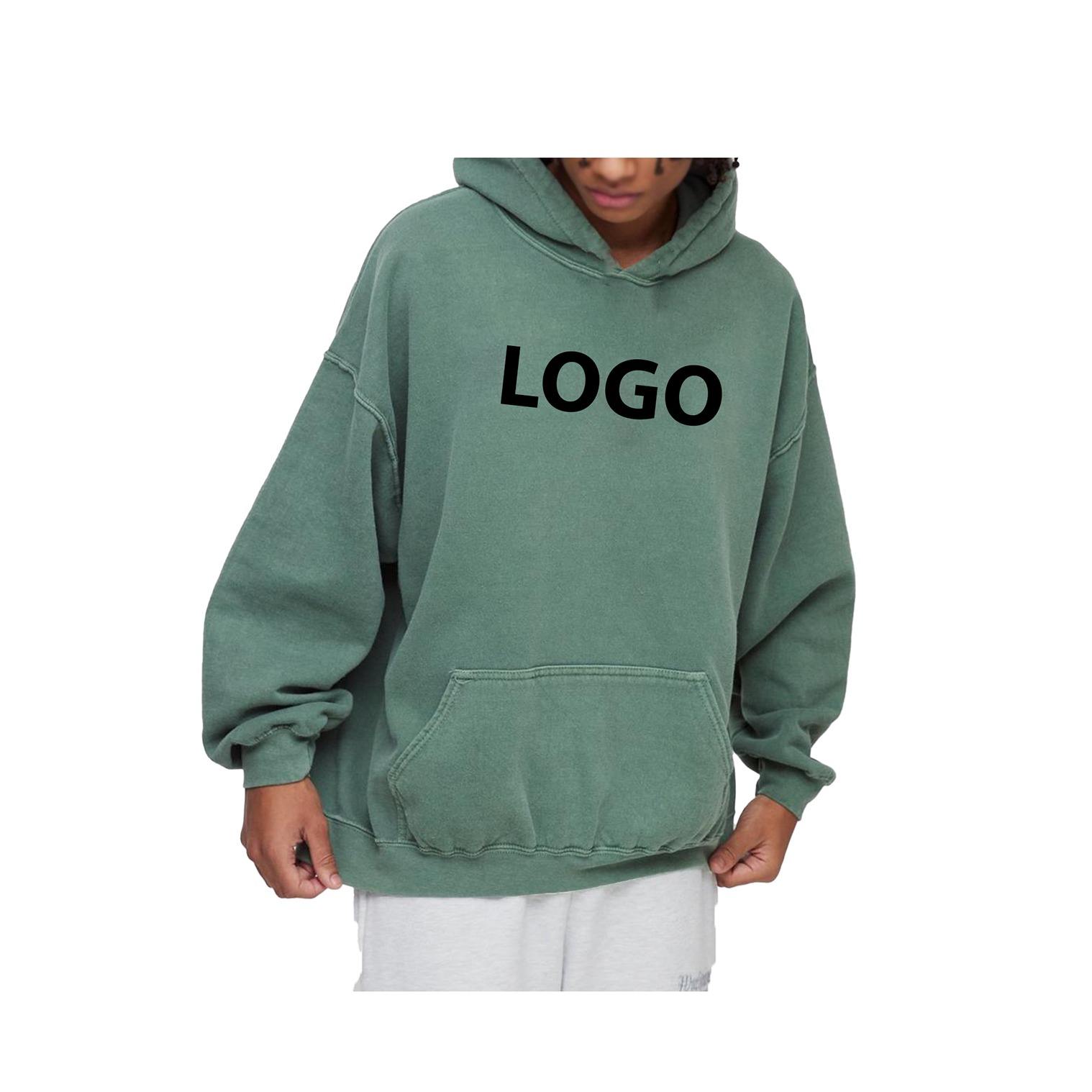
Pullover hoodies remain the backbone of streetwear, athleisure, and promotional apparel. Their simple silhouette conceals complex engineering—balancing comfort, structure, and decoration readiness. Professional pullover hoodies suppliers invest in neckline durability, pocket symmetry, and print area optimization to meet both design and production demands.
This guide explains the technical considerations behind a well-constructed pullover hoodie.
🧵 1. Neckline Reinforcement: The Key to Longevity
The neckline is often the first point of stress. Every time a hoodie is worn or removed, the neck seam stretches—so proper reinforcement is crucial.
Core design methods include:
-
Self-fabric binding: Uses folded jersey tape for smooth, irritation-free edges.
-
Back neck tape: A cotton twill or herringbone tape sewn inside the seam to prevent stretching.
-
Double-needle topstitch: Reinforces seam integrity and maintains shape after washing.
Factories also pre-test fabric shrinkage before cutting to ensure neckline stability. A strong neckline not only enhances comfort but also prevents visual distortion around logos and front prints.
Working with experienced Pullover Hoodies Suppliers ensures the right balance between softness and reinforcement, especially when producing bulk retail or branded lines.
👕 2. Kangaroo Pocket Structure and Alignment
The kangaroo pocket is iconic, yet challenging to execute precisely in production. Its functionality depends on seam symmetry, edge tension, and topstitch control.
Key engineering practices include:
-
Grain alignment: Pocket fabric must match body grain to prevent twisting.
-
Bar-tack reinforcements: Applied at entry corners to strengthen high-stress areas.
-
Topstitch spacing: 1.5–2.0 mm margin ensures clean edges and consistent pocket height.
-
Thermal fusing: Used in premium models to flatten edges before sewing.
Pockets can also integrate hidden zippers or contrast lining for enhanced function and visual interest. In school or corporate orders, pocket dimensions remain standardized for consistent branding placement.
🎨 3. Print Windows and Decoration Zones
Print positioning on a pullover hoodie requires strategic planning to avoid seams, drawcords, and pocket folds. Manufacturers define “print windows” to guide designers:
-
Front chest zone: 25–30 cm width above the pocket for logo visibility.
-
Center chest zone: Best for direct-to-film (DTF) and screen prints.
-
Sleeve panels: Ideal for vertical branding or team identifiers.
-
Back panel: Reserved for large-format designs.
High-end factories use heat-mapping templates during pre-production to confirm placement across sizes—ensuring that artwork appears balanced on both small and XXL garments.
⚙️ 4. Seam Construction and Thread Selection
Seam engineering determines both comfort and durability:
-
Overlock stitching: Joins fleece panels without adding bulk.
-
Coverstitch: Flattens seams inside the garment for a polished finish.
-
Chain stitching: Adds decorative strength to visible hems.
Thread selection varies by purpose—poly-core spun threads offer high tensile strength for fleece seams, while cotton-wrapped threads deliver softness for skin-contact areas. Factories maintain color-matched threads across production lots to ensure uniform quality.
🧶 5. Fabric Choice and GSM Balance
Pullover hoodies typically use 300–450 GSM fleece, depending on target market and climate. Higher GSM improves structure and warmth, while lower weights favor breathability and cost efficiency.
Popular blends include:
-
80/20 cotton-poly for standard retail use.
-
65/35 poly-cotton for activewear lines.
-
Organic or recycled fibers for eco-conscious collections.
A reputable Hoodie Suppliers partner can advise the right GSM range, yarn composition, and finishing methods (brushed, enzyme washed, or silicone treated) to match your design goals.
🧩 6. Finishing Techniques for Premium Feel
Beyond structure, finishing elevates perception. Advanced factories now use:
-
Enzyme wash: For soft, pre-shrunk texture.
-
Silicone softeners: To reduce surface friction.
-
Heat-set stabilization: Locks dimensions after cutting.
-
Anti-pilling finishes: Keeps fleece smooth over time.
Each treatment improves tactile appeal while ensuring long-term wearability and consistent handfeel—essential for export-grade hoodies.
📦 7. Production Efficiency and Quality Control
Pullover hoodies require careful balancing between design flexibility and mass production efficiency. Standardized panel templates, automated cutting, and inline QC checkpoints maintain consistency across bulk runs.
Factories conduct visual inspections for seam puckering, print alignment, and rib recovery rates. By following these production SOPs, suppliers can maintain defect rates below 1%, ensuring smooth shipping for wholesale orders.
🏁 Final Thoughts
A pullover hoodie’s true value lies in its unseen engineering—neckline reinforcement, pocket precision, and print alignment all work together to define comfort and quality.
By partnering with professional pullover hoodies suppliers, brands can translate design creativity into durable, retail-ready garments that feel premium from first touch to final wear. Reliable hoodie suppliers provide not only craftsmanship but also consistency, ensuring that every batch meets your quality and brand standards.